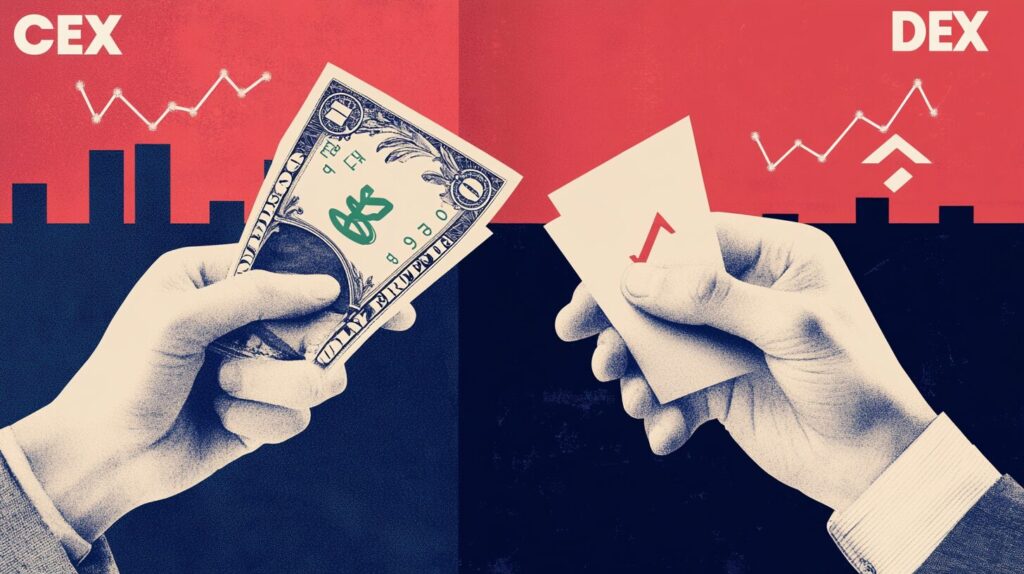
In the evolving landscape of cryptocurrency, understanding the differences between centralized exchanges (CEX) and decentralized exchanges (DEX) is crucial for anyone looking to navigate the market effectively. The choice between these two types of platforms can significantly affect your trading experience, security, and financial outcomes. Imagine you are about to embark on a journey through the crypto world—your decision to trust a guide or to explore independently will shape your path. In this article, we will delve into the intricacies of CEX and DEX, comparing their features, benefits, and probable drawbacks to help you make an informed decision tailored to your needs. Argoox, a global provider of AI trading bots, is here to support you every step of the way.
Centralized and decentralized exchanges offer distinct advantages and challenges, and knowing these differences is essential for traders, investors, and even developers in the crypto space. The choice between CEX and DEX isn’t just about preference; it involves weighing factors such as security, control over assets, and compliance with regulations. By understanding these differences, you can choose the exchange that aligns best with your goals, whether you’re looking for ease of use, privacy, or greater autonomy in your trading activities.
What is a Centralized Exchange (CEX)?
A Centralized Exchange (CEX) is a platform where users can buy, sell, and conduct trade on cryptocurrencies through a centralized entity. This entity acts as a middleman, facilitating transactions, managing order books, and ensuring that trades are executed smoothly. CEX platforms like Binance and Coinbase have gained popularity due to their user-friendly interfaces, high liquidity, and robust security measures.
How Does CEX Operate?
Centralized exchanges operate by holding users’ funds and executing trades on their behalf. When you place an order on a CEX, the exchange takes control of your assets until the trade is completed. This centralized control allows for quick and efficient transactions, often providing better liquidity and lower slippage compared to decentralized exchanges. For instance, popular platforms like Binance and Coinbase offer a vast range of trading pairs, advanced charting tools, and customer support, making them attractive to both novice and experienced traders.
Key Features of Centralized Exchanges
User Experience and Interface
CEX platforms are known for their intuitive and user-friendly interfaces, which cater to traders of all experience levels. These platforms often provide comprehensive guides, tutorials, and customer support to guide users navigate the complexities of cryptocurrency trading.
Liquidity and Trading Volume
One of the primary advantages of CEX platforms is their high liquidity, which allows for faster trade execution and less price volatility. High trading volumes also mean that big orders can be filled without notably impacting the market price.
Security Measures and Custodial Services
CEX platforms implement stringent security measures, such as two-factor authentication (2FA), cold storage for digital assets, and regular security audits. However, since the exchange holds your funds, there is always a risk of hacking or fraud, which has led to significant losses in some cases.
Regulatory Compliance and KYC Requirements
Centralized exchanges are often required to comply with government regulations, including Know Your Customer (KYC) and Anti-Money Laundering (AML) policies. This compliance can provide an additional layer of security but may also limit user privacy and accessibility for those in regions with strict regulations.
What is a Decentralized Exchange (DEX)?
A Decentralized Exchange, short DEX, is known as a platform that enables users to trade crypto assets straight to each other without the need for a central authority or intermediary. DEX platforms like Uniswap and PancakeSwap operate on blockchain technology, enabling peer-to-peer transactions through smart contracts.
How Does DEX Operate?
Decentralized exchanges operate by using smart contracts to facilitate trades directly between users. When you trade on a DEX, you retain control of your assets throughout the transaction process, reducing the risk of theft or fraud. DEX platforms like Uniswap and PancakeSwap leverage Automated Market Makers (AMMs) to provide liquidity, allowing users to trade without relying on a traditional order book system.
Key Features of Decentralized Exchanges
Non-Custodial Nature and User Control
The non-custodial nature of DEX platforms means that users retain control of their private keys and funds at all times. This feature is particularly appealing to those who prioritize security and privacy, as it reduces the risk of centralized entities mishandling funds.
Liquidity Provision Through Automated Market Makers (AMMs)
DEX platforms use AMMs to facilitate liquidity, allowing users to trade their digital assets with no need to a traditional order book. This system encourages users to provide liquidity to pools in exchange for a share of the transaction fees, creating a decentralized and community-driven ecosystem.
Anonymity and Lack of KYC
Unlike CEX platforms, decentralized exchanges typically do not require users to complete KYC procedures, preserving anonymity and privacy. This feature is attractive to those who value privacy, but it also raises concerns about the potential for illegal activities and lack of regulatory oversight.
Smart Contracts and Decentralized Governance
DEX platforms rely on smart contracts to execute trades, removing the need for intermediaries and reducing the risk of human error. Additionally, many DEX platforms are governed by decentralized communities, giving users a voice in the platform’s development and policies.
Core Differences Between CEX and DEX
Custody and Control of Funds
- CEX: Funds are held by the exchange, increasing the risk of loss because of hacking or mismanagement.
- DEX: Users retain control of their funds, reducing the risk of centralized theft but requiring greater responsibility for security.
Trading Fees and Costs
- CEX: Typically lower trading fees due to high liquidity but may charge additional fees for withdrawals or deposits.
- DEX: Often higher trading fees due to gas costs on the blockchain but no deposit or withdrawal fees.
Privacy and Anonymity
- CEX: Requires KYC, compromising user privacy but enhancing security and regulatory compliance.
- DEX: No KYC required, offering greater privacy but potentially less security and regulatory protection.
Speed and Efficiency of Transactions
- CEX: Faster transaction times due to centralized processing but can experience downtime during high traffic.
- DEX: Slower transaction times due to blockchain confirmation but always available as they operate on decentralized networks.
Availability of Assets and Pairs
- CEX: Offers a wide range of assets and trading pairs, but the selection is curated by the exchange.
- DEX: May offer a broader range of assets, including newly issued tokens, as anyone can list assets on a DEX.
Security Risks and Vulnerabilities
- CEX: Risk of hacking and fraud due to centralized custody of funds, though security measures are in place.
- DEX: Reduced risk of centralized hacking but vulnerable to smart contract bugs and exploits.
Advantages and Disadvantages of Centralized Exchanges
Advantages of CEX
- High Liquidity: CEX platforms have large user bases and trading volumes, ensuring quick and stable trade execution, which is crucial for handling large orders in volatile markets.
- User-Friendly Interfaces: CEX platforms offer intuitive, easy-to-navigate interfaces, catering to both new and experienced traders, enhancing the overall trading experience.
- Regulatory Compliance and Security: CEXs adhere to strict regulatory standards, providing robust security measures like 2FA, encryption, and cold storage, giving users a sense of security.
- Customer Support: CEX platforms typically provide customer support, helping users resolve issues quickly, which is especially important for new traders.
Disadvantages of CEX
- Centralized Control of Funds: Users must deposit funds into the exchange, creating a single point of failure that attracts hackers, leading to potential fund loss.
- KYC Requirements: Compliance with KYC processes can be invasive and time-consuming, raising privacy concerns and limiting access in some regions.
- Potential for Downtime: CEXs can experience downtime due to technical issues or high traffic, leading to missed trading opportunities.
- Regulatory Risks: CEXs are subject to government interventions, which can disrupt trading, freeze assets, or even shut down the platform.
Advantages and Disadvantages of Decentralized Exchanges
Advantages of DEX
- User Control of Funds: DEX platforms are non-custodial, which means users have full control of their private keys, reducing the risk of losing assets.
- Privacy and Anonymity: DEXs typically do not require KYC, allowing users to trade anonymously and avoid sharing personal information.
- Decentralized Governance and Innovation: DEXs often have decentralized governance, enabling users to influence platform development and fostering innovation.
- Censorship Resistance: DEX platforms operate on decentralized networks, making them less vulnerable to censorship or government intervention.
Disadvantages of DEX
- Lower Liquidity: DEXs generally have lower liquidity, leading to higher slippage and less favorable trading conditions, particularly for large orders.
- Complex User Experience: DEX interfaces can be less intuitive, requiring a good understanding of smart contracts and private key management, posing a barrier to entry for new users.
- Higher Transaction Costs: DEXs incur gas fees for transactions, which can be high during network congestion, making trading expensive.
- Smart Contract Risks: DEX platforms are operating based on smart contracts, which makes them vulnerable to bugs or exploits, potentially leading to significant losses.
When to Choose CEX vs. DEX?
Choosing between a CEX and a DEX depends on your trading needs and priorities. If you value ease of use, high liquidity, and regulatory compliance, a CEX may be the better choice. However, if you prioritize privacy, control over your funds, and decentralized governance, a DEX might be more suitable. For many traders, using both types of exchanges can provide the best of both worlds, according to the specific situation.
Conclusion
Learning about the differences among the centralized and decentralized exchanges is critical for making informed decisions in the cryptocurrency market. Each type of exchange offers remarkable benefits and challenges, and your choice will rely on your priorities, whether it’s security, privacy, liquidity, or ease of use. Argoox, a global provider of AI trading bots, can help you navigate this difficult landscape, offering tools and strategies tailored to both CEX and DEX platforms. Visit the Argoox website today to learn more and gain a better understanding of how we can enhance your trading experience in the dynamic world of cryptocurrency.