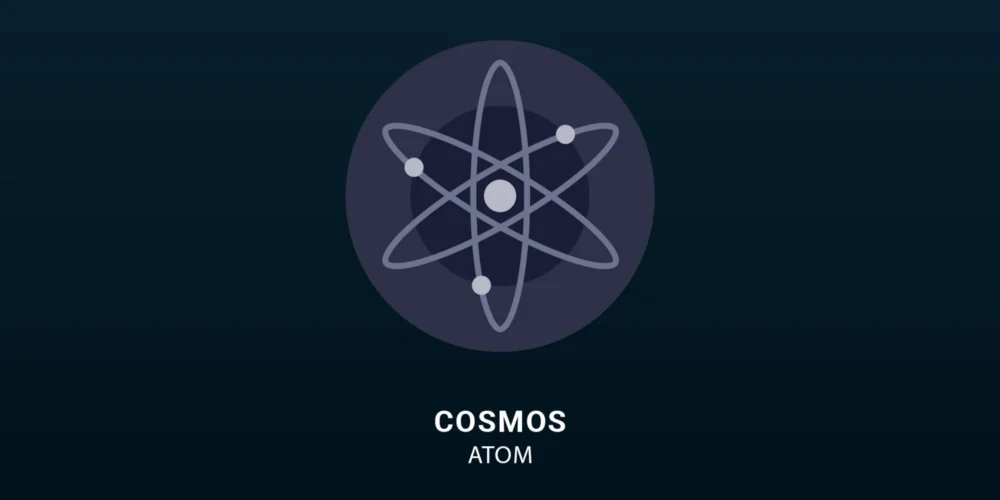
In recent years, blockchain technology has advanced rapidly, but with it has come the challenge of blockchain interoperability. Imagine a world where various blockchain ecosystems could communicate seamlessly—where Bitcoin could interact with Ethereum, and decentralized finance (DeFi) protocols could exchange assets without intermediaries. This is where Cosmos (ATOM) comes in, revolutionizing the way blockchains can work together. Argoox, a leader in AI-driven trading bots, provides tools for cryptocurrency enthusiasts to navigate this dynamic ecosystem, including innovative platforms like Cosmos.
Cosmos is often known as the “Internet of Blockchains.” Its goal is to create a network of interconnected blockchains, solving many issues of scalability, sovereignty, and communication. To fully understand the impact of Cosmos, Argoox wants to dive deeper into what it is, how it works, and why it’s essential for the future of blockchain technology.
What is The Definition of Cosmos (ATOM)?
Cosmos (ATOM) is a famous decentralized network of independent blockchains designed to solve the interoperability and scalability issues that traditional blockchains face. The primary purpose of Cosmos is to enable different blockchains to communicate and transfer data in a decentralized way. Cosmos positions itself as the “Internet of Blockchains,” aiming to create an ecosystem where blockchains can maintain autonomy while being part of a larger interconnected network.
What Does Cosmos Do?
Cosmos aims to enhance the blockchain landscape by providing solutions for scalability, interoperability, and sustainability. Through its ecosystem, Cosmos allows multiple blockchains to transfer assets and communicate with each other without being confined to their unique silos. This open, connected system creates a powerful network effect that benefits developers, businesses, and end-users by offering more flexibility and speed.
The Cosmos ecosystem also offers tools for developers to build customized blockchains, each connected to the broader Cosmos network. This modular approach fosters innovation and ensures that new chains can be developed quickly while still benefiting from the Cosmos Hub’s security.
Who Are the Founders of Cosmos?
Cosmos was founded by Jae Kwon and Ethan Buchman in 2014. The two blockchain engineers worked together to develop the Tendermint consensus algorithm, which laid the foundation for the Cosmos network. Kwon’s vision was to create a system that would allow multiple blockchains to operate in parallel, efficiently communicating with each other.
In 2017, the Interchain Foundation (ICF) conducted an Initial Coin Offering (ICO) for Cosmos, raising over $17 million in funding. Since then, Cosmos has grown into a robust ecosystem, continually evolving with updates and innovations from its team and community.
How Does Cosmos Work?
Cosmos works by using a unique architecture consisting of Hubs and Zones. The Cosmos Hub is the central blockchain that facilitates interoperability between different blockchains, known as Zones. Each Zone operates independently, maintaining its sovereignty while being part of the larger Cosmos network.
Cosmos utilizes a technology called Inter-Blockchain Communication (IBC), which allows blockchains to transfer data and tokens seamlessly. At the heart of Cosmos is the Tendermint consensus algorithm, which ensures security, speed, and scalability. Tendermint BFT (Byzantine Fault Tolerance) is a critical component that enhances the reliability of the network by preventing malicious actors from disrupting the system.
What Makes Cosmos Unique?
One of the remarkable aspects of Cosmos is its focus on interoperability. While many blockchain projects aim to solve scalability issues, Cosmos takes a different approach by enabling communication between different blockchains. This interconnected ecosystem allows each blockchain to retain its autonomy while still benefiting from the Cosmos network’s shared infrastructure.
Another standout feature is the Cosmos SDK, which simplifies blockchain development. The SDK offers developers the tools needed to build custom blockchains, reducing the complexity and time required to create decentralized applications (dApps) and new blockchain solutions.
Read More: What is Cosmos (ATOM) Trading Bot?
How Many Cosmos (ATOM) Coins Are There in Circulation?
As of now, the total supply of Cosmos (ATOM) is approximately 286 million coins. ATOM is known as the native token of the Cosmos ecosystem, primarily used for staking, governance, and securing the network. ATOM holders have the power to vote on protocol upgrades and changes, ensuring a decentralized governance model.
How Is the Cosmos Network Secured?
Cosmos secures its network through the Tendermint consensus algorithm, specifically Tendermint Byzantine Fault Tolerance (BFT). This consensus mechanism allows Cosmos to achieve consensus efficiently, even if some participants act maliciously. Validators play an important role in preserving the network’s integrity by validating transactions and adding them to the blockchain.
ATOM tokens are staked by validators to participate in the consensus process, ensuring the network remains decentralized and secure. The use of Tendermint BFT provides robust security while ensuring high transaction throughput and scalability.
Where Can You Buy Cosmos (ATOM)?
Cosmos (ATOM) can be purchased on various cryptocurrency exchanges, including Binance, Coinbase, Kraken, and more. Users can trade ATOM against other cryptocurrencies like Bitcoin (BTC) and Ethereum (ETH) or against fiat currencies such as USD and EUR. Additionally, decentralized exchanges (DEXs) on the Cosmos network, such as Osmosis, provide avenues for acquiring ATOM tokens.
Tendermint
Tendermint is a core technology powering the Cosmos network, and it serves two essential purposes: consensus and networking. The Tendermint consensus engine ensures that all nodes agree on the state of the blockchain, even if some nodes fail or act maliciously. The Tendermint networking protocol, on the other hand, enables fast and secure communication between nodes. This combination allows Cosmos to offer high throughput and low-latency transactions while maintaining strong security.
Cosmos Hub and Zones
The Cosmos Hub is the first blockchain in the Cosmos ecosystem, and it serves as the central ledger for the entire network. Zones are independent blockchains connected to the Hub, each capable of running its consensus algorithm, governance, and validator sets. This structure allows developers to create customized blockchains (Zones) without compromising security or interoperability.
Tendermint Byzantine Fault Tolerance (BFT)
Tendermint BFT is the consensus algorithm that ensures Cosmos can achieve consensus, even in the presence of faulty or malicious nodes. BFT is a type of consensus that can function even if up to one-third of the validators behave incorrectly. This consensus mechanism allows Cosmos to offer high levels of reliability and security, which is crucial for maintaining the integrity of the network.
Cosmos SDK
The Cosmos SDK is a toolkit that allows developers to build their own blockchains from the ground up. The SDK is modular, meaning developers can customize their blockchain by choosing specific modules that suit their needs, whether it’s governance, staking, or tokenomics. This flexibility enables developers to create tailored solutions for various industries without needing to reinvent the wheel.
Read More: How to Make Cosmos (ATOM) Trading Bot?
Cosmos Interchain Accounts Upgrade
The Cosmos Interchain Accounts Upgrade is a recent development that enhances IBC’s functionality. With this upgrade, blockchains in the Cosmos ecosystem can control accounts on other blockchains, enabling a higher degree of interoperability. This feature opens the door to new applications, such as cross-chain DeFi protocols and more sophisticated asset management tools.
Conclusion
Cosmos (ATOM) is paving the way for a more interconnected blockchain universe. With its innovative technique for scalability, security, and interoperability, Cosmos addresses many of the challenges that traditional blockchains face. The ecosystem’s reliance on Tendermint, IBC, and the Cosmos SDK makes it a versatile and robust platform for developers and users alike. If you’re exploring the potential of blockchain and cryptocurrency, Cosmos is a network worth watching closely.
For those looking to leverage AI-driven trading bots, Argoox provides advanced tools that can help you maximize your investment potential in innovative ecosystems like Cosmos. Visit the Argoox platform to explore how these tools can transform your trading experience in the ever-evolving cryptocurrency market.
Coin Information:
Website:

 Online
Extra Links:

Social Media & News: